Sponsoring a nonprofit doesn’t always have to mean giving money.
Sometimes, one of the most valuable things a company can offer is something it already has: the skills and expertise of its people.
This is the idea behind skills-based sponsorship, also known as skills-based or pro bono volunteering. Instead of, or alongside, financial support, professionals dedicate their knowledge and working time to help a nonprofit respond to a real organisational need.
It could be an IT specialist improving digital tools, a communications professional helping shape a strategy, an HR expert reviewing internal practices, or consultants helping an organisation rethink the way it works.
For nonprofits, this type of partnership can be particularly valuable because specialist expertise is not always something we have the resources to access. But what does it look like in practise?
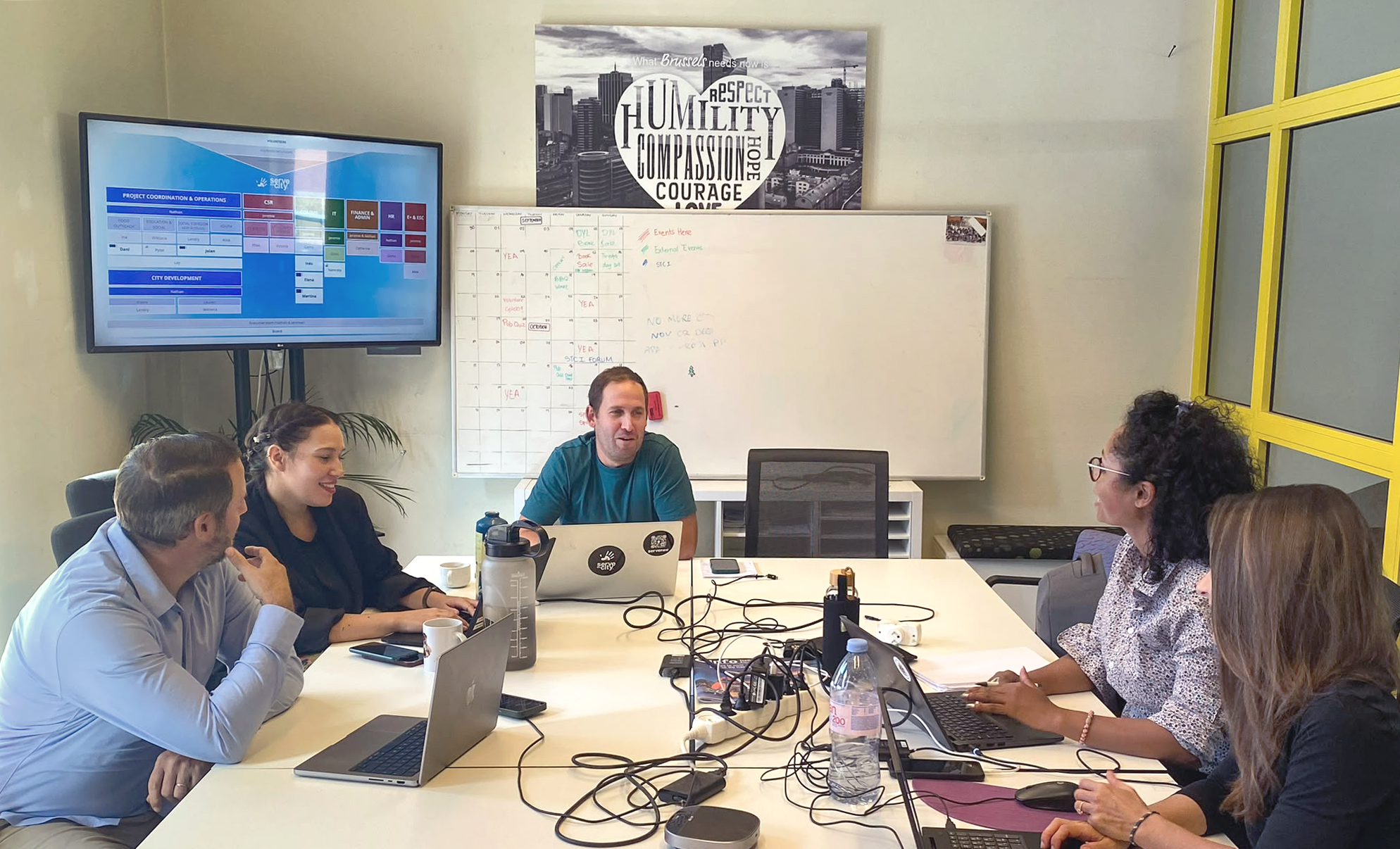
Our collaboration with Intys is a great example.
Through its pro bono support, Intys consultants have been sharing their professional expertise with our team, helping us look at different aspects of our organisation from a new perspective. The collaboration has touched areas such as our organisational model, internal processes, roles and responsibilities, and the way knowledge is documented and shared. But what makes this kind of collaboration valuable is not simply having access to expertise. It is how that expertise is shared.
Pro bono projects need to start with the nonprofit’s actual needs, rather than with a ready-made solution. They also need to be designed at the right scale. Nonprofit teams are often small, working with limited capacity and already balancing many priorities. A project that is too ambitious can unintentionally create more work for the very team it is supposed to support.
That means listening first, choosing realistic objectives, and developing solutions that the nonprofit will genuinely be able to use and sustain. This is something we particularly value about our collaboration with Intys: their consultants take time to understand our reality and work alongside our team rather than simply arriving with solutions.
There is another important ingredient: time. A few hours of skills-based volunteering can certainly be useful, but meaningful organisational change rarely happens in an afternoon. Longer-term collaborations give professionals the opportunity to better understand the organisation, build relationships with its team, adapt their approach and accompany ideas as they move from discussion to implementation. For the nonprofit, this continuity can make the difference between receiving good advice and actually being able to put that advice into practice. That is one of the strengths we see in our partnership with Intys. It is not about a one-off intervention, but about working together over time and progressively building something that makes sense for Serve the City Belgium. It is a journey that we walk together.
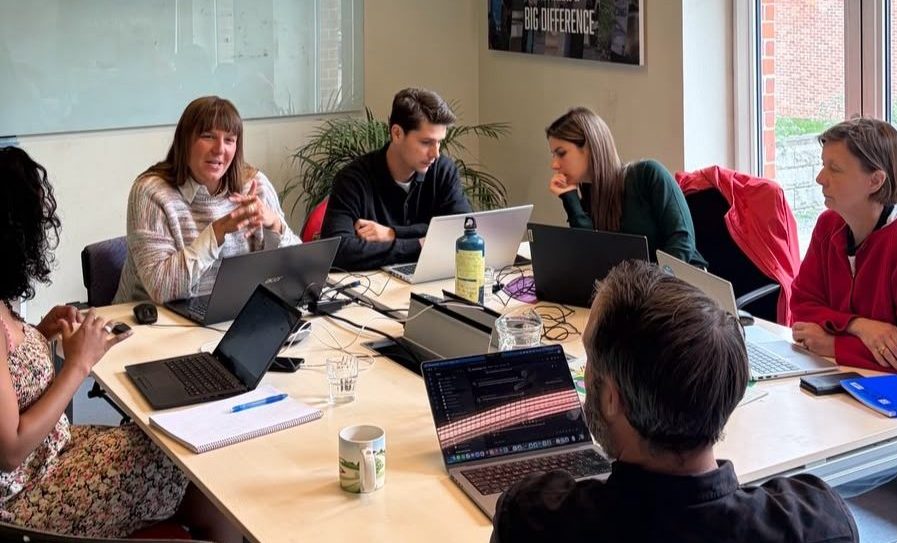
The impact of skills-based sponsorship is not always immediately visible. A better process doesn’t make a great photo. A clearer way of working isn’t as tangible as the meals distributed during a volunteering activity, but when expertise helps a nonprofit work more effectively, strengthens its team or frees up capacity to focus on its mission, the impact can continue long after the volunteering hours themselves are over.
Our collaboration with Intys is showing us what skills-based sponsorship can look like when it is needs-led, realistic and built for the long term, and perhaps it can inspire more companies to ask themselves: What do we know how to do, and how could those skills create lasting value for a nonprofit?